
7 Best Drum Head Cleaners For Maintenance To Use
Extend the life of your kit with our top 7 drum head cleaners. Maintain your sound and protect your gear—read our expert guide to choose the best option today.
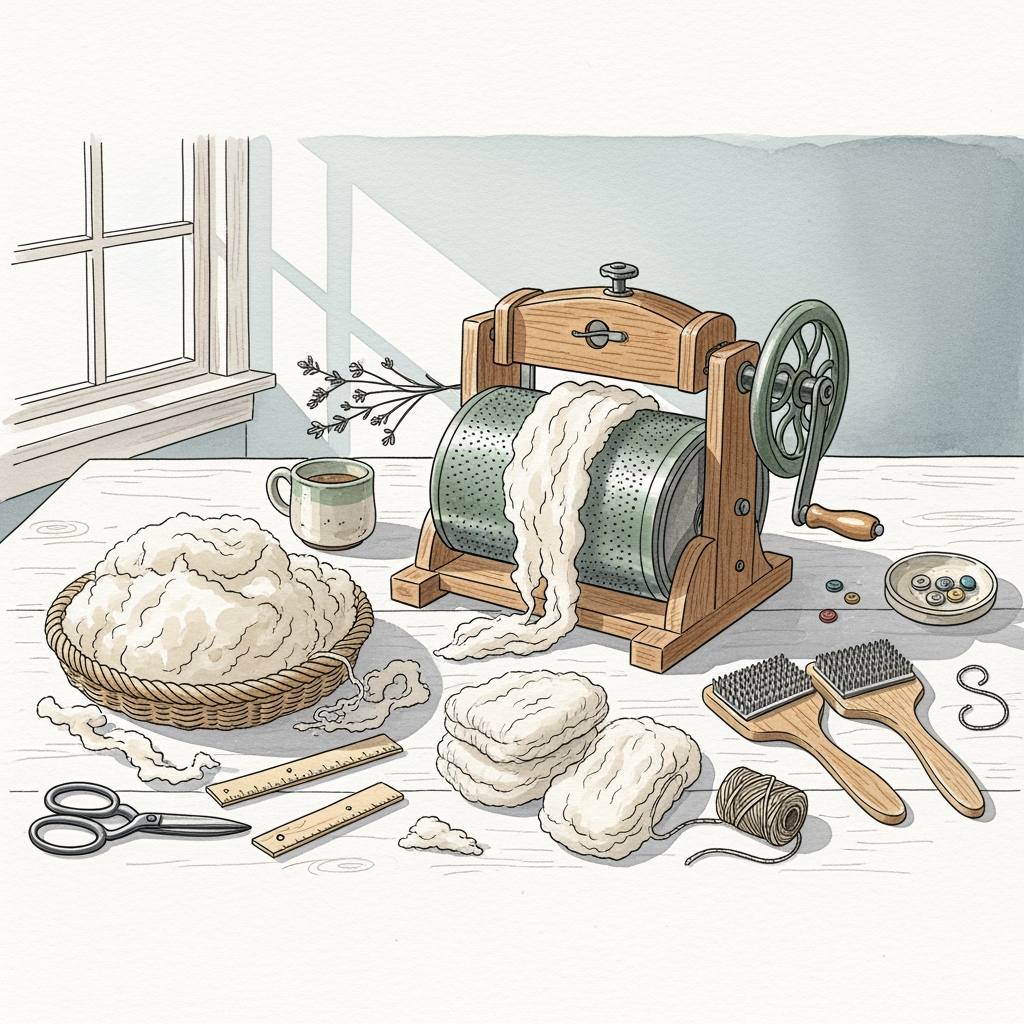
A well-maintained drum carder is the difference between smooth, lofty batt preparation and a frustrating afternoon of fighting tangled, felted fibers. When carding cloth becomes clogged with grease, vegetable matter, or stray fibers, the teeth lose their ability to properly open and align the wool. Relying on improper tools can bend the delicate wire teeth, permanently damaging the carding surface. This guide identifies the most effective maintenance tools to ensure consistent, high-quality fiber preparation for every spinning project.
Ashford Doffer Brush: The All-Around Workhorse


The Ashford Doffer Brush is a staple in many fiber studios due to its simple, effective design and versatility. It features stiff, densely packed bristles that excel at pushing trapped fibers down into the base of the carding cloth, effectively clearing the path for new material.
Because it works across the entire width of the drum, it minimizes the time spent on routine cleaning between batches of similar fiber. It is particularly useful for light maintenance, such as clearing short bits of wool that accumulate after a standard blending session.
While it is excellent for general upkeep, do not expect it to remove deeply embedded vegetable matter or stubborn, greasy lanolin residue on its own. Use this tool for daily maintenance to keep the carder running at peak efficiency.
Howard Brush Hand Card: For Deep Fiber Cleaning

A hand card is often overlooked as a cleaning tool, but the Howard Brush Hand Card is a superior choice for stubborn, deep-seated fiber buildup. Its precise wire teeth can reach between the carding drum’s wires to lift out matted wool that bristles simply slide over.
Using a hand card requires a steady hand and a gentle touch to avoid snagging or bending the drum’s teeth. Angle the hand card carefully to lift the fibers out toward the tips of the drum’s teeth rather than digging straight down into the foundation.
This approach is best suited for those rare times when a drum has been neglected or used for heavy, raw fleeces that have left a significant residue. Always work in small sections to maintain control and protect the carder’s integrity.
Louët Cleaning Brush: A Purpose-Built Essential
The Louët Cleaning Brush is specifically engineered to bridge the gap between a gentle bristle brush and a aggressive metal pick. It features a unique bristle stiffness that provides enough resistance to move stubborn fibers without risking damage to fine-tinned carding cloth.
This brush is highly recommended for those who card a variety of protein fibers, from fine merino to coarser longwools. The ergonomic handle allows for repetitive cleaning motions without straining the wrist during long fiber-processing sessions.
It is an ideal choice for the fiber artist who prioritizes the longevity of their equipment. The brush effectively clears the drum surface, leaving it clean and ready for the next color blend or fiber blend transition.
Schacht Flicker Brush: Perfect for Opening Locks
While primarily designed to open up raw locks of wool, the Schacht Flicker Brush doubles as a highly effective spot-cleaning tool for drum carders. Its handle provides excellent leverage, allowing for localized pressure on areas where debris has become tightly lodged.
If a specific patch of the drum is showing signs of fiber buildup, the flicker brush can target that spot with surgical precision. This is particularly helpful when carding greasy fleeces, as it helps break up the waxy accumulation that can dull the carding action.
Be mindful that the metal teeth of a flicker brush are sharp and unforgiving. Approach the drum’s teeth at a shallow angle to ensure the tools interact without causing harm to the carder’s cloth.
Glimakra Cleaning Card: Sturdy and Dependable
The Glimakra Cleaning Card is a robust, professional-grade solution for those who process large volumes of fiber. Its heavy-duty construction reflects a philosophy of durability, making it an excellent investment for busy fiber arts studios.
This tool is designed to work in tandem with the drum’s rotation, effectively lifting compacted fibers and debris in a single motion. It is less about delicate spot-cleaning and more about thorough, end-of-session maintenance.
When used regularly, this carding tool prevents the “ghosting” effect where remnant fibers from a previous project contaminate a new color. It is a reliable, no-nonsense choice for the serious producer.
Clemes & Clemes Packer Brush: Pro-Level Tool
The Clemes & Clemes Packer Brush is frequently cited as the gold standard for high-end drum carders. It is specifically designed to pack fibers into the drum evenly, which inherently keeps the base of the teeth cleaner during the carding process.
Because it assists in the carding function itself, it serves a dual purpose: it improves the quality of the resulting batt while simultaneously preventing deep clogging. For those who frequently blend exotic fibers like silk or mohair, this brush is an invaluable addition.
While it carries a higher price point, the efficiency gains and the protection it offers your equipment are well worth the investment. It essentially pays for itself by reducing the frequency of deep, labor-intensive cleanings.
The Woolery Doffer Stick: Simple & Effective
The Doffer Stick is a fundamental tool for safely removing the finished batt from the drum, but its flat edge is also excellent for clearing the base of the carding teeth. By running the edge along the drum, you can nudge out fibers that have migrated toward the foundation.
This tool is exceptionally safe; it carries zero risk of bending the carding teeth because it lacks the wire points of a brush or card. It is perfect for the beginner who is still developing a “feel” for how much pressure is safe to apply during cleaning.
Every drum carder owner should keep one of these within arm’s reach. It is the most non-destructive way to perform a quick “sweep” of the drum after every batt is doffed.
How to Properly Clean Your Drum Carder
- Safety First: Always ensure the drum carder is turned off or blocked from moving before placing your hands near the needles.
- Doffing: Start by removing the majority of the fiber using your doffer stick.
- The Sweep: Use a bristle brush to remove surface dust and loose, stray fibers.
- Targeted Removal: If deeper cleaning is needed, use a picker or cleaning card to gently lift fibers trapped near the base.
- Directionality: Always work with the angle of the teeth, never against them, to prevent permanent damage to the cloth.
Choosing the Right Tool for Your Carding Cloth
When selecting a cleaner, identify the TPI (Teeth Per Inch) of your drum carder. Finer cloth (higher TPI) requires softer, more flexible brushes to avoid snagging, while coarser cloth can handle sturdier wire-toothed tools.
- Low TPI (48-54): Suitable for coarse wools; sturdier cleaning cards work well.
- High TPI (72-120+): Required for fine wools, silk, or angora; opt for softer bristles or the doffer stick to preserve the delicate wire tips.
DIY Drum Carder Cleaning Hacks and Tips
If you find yourself in the middle of a project without a professional tool, a clean, stiff-bristled toothbrush can work in a pinch for localized debris. Avoid using metal needles or pins from sewing kits, as these are almost guaranteed to snap or bend your carding teeth.
For sticky, lanolin-heavy build-up, use a tiny amount of high-percentage isopropyl alcohol on a microfiber cloth, but only apply it to the base of the teeth. Never spray liquids directly onto the drum, as this can lead to rust and compromise the wooden components.
Consistent, small cleaning habits are always superior to a single, massive deep-clean. By spending two minutes after every project to clear the drum, you significantly extend the lifespan of your carding cloth and ensure every batt you produce is smooth and well-aligned.
Maintaining your equipment is an essential part of the fiber arts journey, ensuring that your tools remain as reliable as your own skill set. By choosing the right maintenance tools and building a consistent cleaning routine, you protect your investment and ensure that your carded batts remain consistently high-quality for years to come.
