6 Best Embroidery Seam Rippers For Mistake Correction
Struggling with stitching errors? Discover the 6 best embroidery seam rippers to remove mistakes quickly and cleanly. Read our expert guide and upgrade your kit.
Mistakes are an inevitable part of the creative process, whether securing a loose end on a knitted garment or correcting a cross-stitch error. Even the most seasoned maker occasionally finds a stray thread or an misaligned stitch that simply must be removed. Choosing the right seam ripper transforms a frustrating moment of undoing work into a quick, surgical correction. Investing in a tool that respects the integrity of the fabric ensures that fixing a project does not lead to unwanted damage.
Clover Seam Ripper: The Trusted Classic Choice
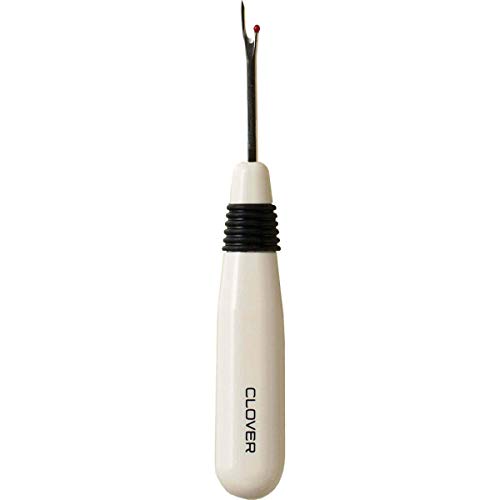

The Clover seam ripper is the standard against which all other tools are measured. Its design features a sharp, finely honed blade that slices through fibers with minimal resistance. This tool is ideal for standard weight fabrics and embroidery threads where the goal is a clean, swift cut.
The blade sits at an ideal angle, allowing for a natural wrist motion that mimics the way a knitting needle glides through a stitch. For those working with delicate natural fibers like merino or silk, the precision of this blade ensures that the underlying fabric remains untouched.
While it lacks fancy ergonomic bells and whistles, its simplicity is its greatest strength. It is a reliable, no-nonsense tool that earns its place in every sewing basket. If a basic, high-quality performer is needed, this remains the definitive choice.
Gingher Seam Ripper: For Ultimate Precision
Gingher is synonymous with heirloom-quality steel, and their seam ripper follows suit. This tool features a tempered steel blade that holds a razor-sharp edge significantly longer than cheaper alternatives. It offers the level of control necessary for removing tight, dense embroidery stitches without fraying surrounding yarns.
The weight and balance of the handle provide a sense of stability that lighter plastic tools often lack. This is particularly beneficial when working on high-tension projects where a slip could result in a dropped stitch or a compromised base fabric. It feels substantial in the hand, allowing for intentional, measured movements.
Because the tip is so fine, it is perfectly suited for picking out single, stubborn threads in a complex lace pattern. It is an investment piece for the dedicated maker who values tool longevity. For precision-heavy tasks, no other tool offers quite the same level of tactile feedback.
Dritz Ergonomic Seam Ripper: Best for Comfort
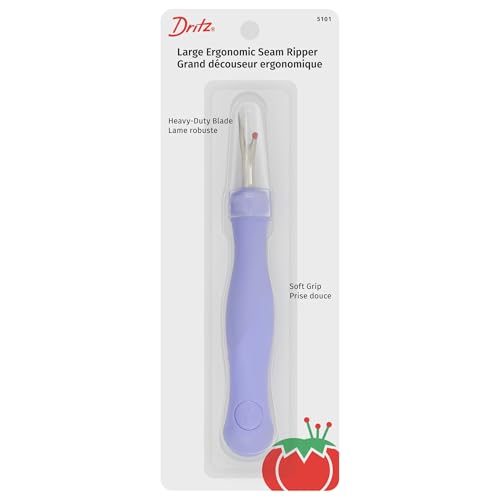
Extended sessions of unpicking require a tool that reduces hand fatigue. The Dritz Ergonomic seam ripper features a thick, molded handle that fills the palm, preventing the cramping often associated with thin, pencil-style rippers. This is a game-changer for those with arthritis or those recovering from long stretches of intensive needlework.
The design distributes pressure evenly, meaning less strain on the thumb and forefinger during repetitive motions. It is particularly useful when tackling large-scale embroidery projects where entire sections may need to be removed. The handle is grippy enough to maintain control even if hands are slightly sweaty after a long day of crafting.
While it takes up more space in a notions pouch, the relief provided to the joints makes the trade-off worth it. If comfort is the primary requirement for unpicking large mistakes, this design provides the necessary support. It bridges the gap between industrial utility and personal comfort.
ULTNICE LED Light Seam Ripper: For Low Light

Visibility is often the greatest hurdle when working with dark-colored threads on dark fabric. The ULTNICE LED seam ripper illuminates the exact point of contact, making it significantly easier to see the difference between the thread being removed and the fabric beneath. This helps prevent the accidental nicks that ruin projects.
The LED light creates high contrast, which is essential for projects using black or navy embroidery floss. It effectively highlights the intersections of the weave, allowing for a surgical approach to seam removal. For makers whose vision requires extra help, this tool is an invaluable addition to the kit.
The battery-operated design is compact, though the light housing can sometimes feel slightly bulky compared to traditional rippers. It is a specialized tool, but one that solves a very specific and common problem. For evening projects or low-light conditions, it is a brilliant solution for error correction.
Brewer Quilting & Sewing: Best Budget Option
The Brewer seam ripper is the quintessential “everywhere” tool that provides consistent results at a fraction of the cost. It features a straightforward design with a bright safety ball at the end, which prevents the tip from plunging too deeply into the fabric. It is a perfect starter tool for anyone new to embroidery or sewing.
This tool is exceptionally lightweight, making it easy to store in any travel kit or knitting bag. While the metal may not hold an edge as long as a premium Gingher tool, it is more than sufficient for occasional use and minor corrections. It is a functional workhorse that performs exactly as expected without added complexity.
Keep a few of these in different project bags to ensure a tool is always at hand when a mistake occurs. They are the definition of practical utility for the fiber artist. The bottom line is that value does not always have to mean sacrificing basic functionality.
Furls Fiberarts Streamline: The Heirloom Ripper
Furls is well-regarded for creating tools that are as beautiful as they are functional, and their seam ripper is no exception. Crafted with an ergonomic, hand-turned aesthetic, it offers a level of luxury that turns a chore into a more pleasant experience. It is designed for the maker who treats their tools as part of their creative identity.
The shape is specifically engineered to rest comfortably in the hand, mirroring the thoughtful design found in premium crochet hooks. It provides excellent leverage, allowing the user to unpick threads with minimal force. This is critical for delicate embroidery work where force can easily cause fiber distortion.
While this represents a higher price point, the durability and aesthetic appeal make it a standout choice for an heirloom collection. It is not just a tool; it is a long-term investment in the crafting process. For the discerning maker, it offers an unmatched combination of form and function.
How to Choose a Seam Ripper for Your Project
Selecting the right tool depends entirely on the scale and frequency of the work performed. For delicate, intricate lace or fine embroidery, a thin, needle-like point is necessary to slide under single strands. Conversely, if the project involves thick wool or heavy embroidery floss, a sturdier blade with more clearance is required.
Consider the ergonomics of the tool based on the duration of use. If unpicking is a rare, occasional task, a simple, inexpensive tool will suffice. However, if the project involves significant reworking, a handle that fits the palm will prevent discomfort and ensure better control over the blade.
Always evaluate the safety features, such as the rounded safety ball. This is vital for beginners who are still developing the coordination to avoid slicing the base fabric. Advanced makers might prefer an exposed point for better maneuverability, but the risk of damage increases with the sharpness of the tool.
Using a Seam Ripper Without Damaging Fabric
The cardinal rule of unpicking is to always cut the thread, never pull it. Use the sharp, recessed edge of the seam ripper to hook the thread and push forward, letting the blade do the work. Avoid digging the point directly into the fabric, as this is the most common cause of snags and tears.
When working with knitted or woven fabrics, position the blade so it faces away from the main body of the garment. For embroidery on fine linen or cotton, it is often safer to snip the stitches from the backside. This protects the decorative front of the embroidery from accidental surface damage.
If a stitch is stubborn, do not force it. Instead, take smaller, more frequent cuts to break the tension of the thread. Patience is the best way to ensure the integrity of the project remains intact throughout the correction process.
Seam Ripper vs. Snips: Which Tool to Grab
Seam rippers are designed for precision within a seam or under a line of embroidery. Their primary function is to break individual threads without disturbing the surrounding structure. They are the surgical tool of choice when the stitch is already set and flush against the surface.
Embroidery snips or small, sharp sewing scissors, however, are better for clearing away long runs of thread after they have been loosened. They offer a clean shear that is less likely to fray ends compared to the tearing action of a ripper. Using snips allows for faster removal of large areas once the tension has been broken by a ripper.
Keep both tools in the workspace. Use the seam ripper to initiate the removal and the snips to clear the debris. Using the correct tool for the specific stage of removal prevents the accumulation of loose, messy fibers that can tangle in delicate projects.
Caring For and Sharpening Your Seam Ripper
A dull seam ripper is a dangerous tool because it requires more pressure to cut, which leads to slipping and fabric damage. Regularly inspect the blade for nicks or blunting. If the tool struggles to glide through a single thread of cotton, it is likely time for a replacement or a professional sharpening.
To maintain the blade, avoid using the ripper on anything other than fiber. Using it to pry open staples or cut paper will quickly ruin the edge. Keep the protective cap on the tool when not in use to protect the point from damage and to keep fingers safe while reaching into a notions bin.
Cleaning the blade with a soft cloth or a drop of sewing machine oil can prevent rust and keep the movement smooth. Treat the tool with the same care as a pair of high-quality embroidery scissors. A well-maintained tool is the hallmark of a skilled and thoughtful maker.
Mastering the art of error correction is a hallmark of a mature fiber artist. By selecting the right seam ripper for the task and handling the fabric with care, those inevitable mistakes become nothing more than minor pauses in the creative journey. A thoughtful approach to tools ensures that every project stays on course, regardless of the hurdles along the way.