7 Best Essential Oil Rollers For Inflammation Relief
Soothe joint pain and muscle tension naturally. Discover the 7 best essential oil rollers for inflammation relief and find your perfect remedy today. Read more.
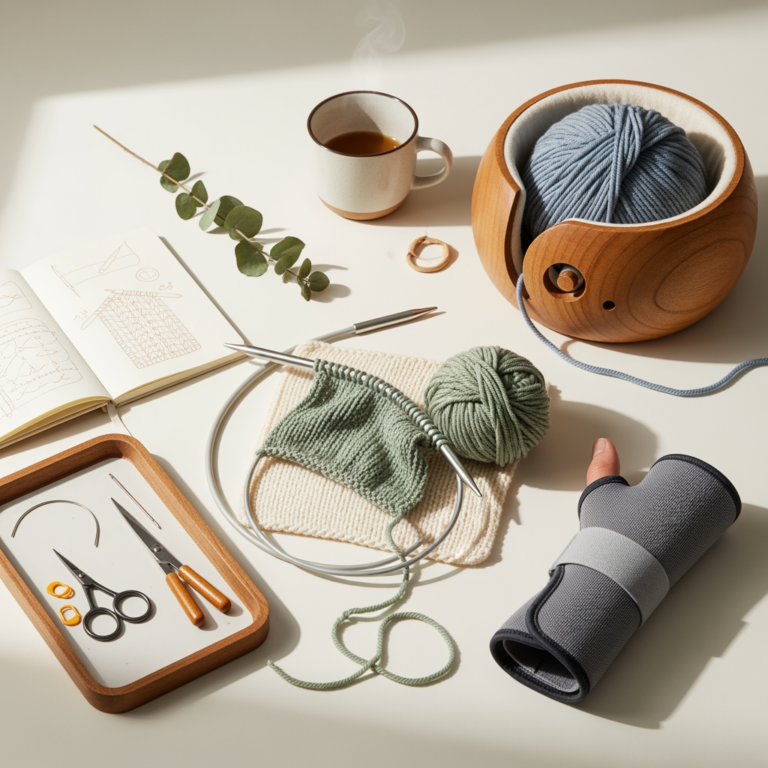
Intricate lace shawls and long-haul sweater projects demand repetitive motions that eventually take a toll on the hands and wrists. When tension remains high and the needles never seem to stop clicking, inflammation can turn a relaxing hobby into a source of physical discomfort. Integrating targeted essential oil rollers into a recovery routine helps manage this fatigue before it impacts stitch quality or project consistency. These seven selections provide varying approaches to soothing overworked muscles so the knitting can continue comfortably.
Saje Wellness Peppermint Halo: Best Cooling Relief
Peppermint Halo is a staple for those mid-project headaches or neck tension that often creeps in while hunching over delicate stranded colorwork. The cooling sensation is intense, offering an immediate sensory shift that helps relax the tight muscles around the shoulders and base of the neck.
This blend relies heavily on peppermint and eucalyptus, creating a sharp, refreshing tingle that distracts from dull aches. It works best when applied during a break between chart rows, providing a clear boundary between intense focus and physical recovery.
The scent is quite potent, so use it sparingly if sensitive to strong aromas in small craft rooms. It functions as a wake-up call for fatigued senses rather than a deep tissue treatment, making it ideal for the middle of a long knitting session.
doTERRA Deep Blue Roll-On: Best for Deep Aches


Deep Blue is formulated for those moments when the strain of hours spent on 2.25mm needles feels like it has settled deep into the joints of the fingers and wrists. The inclusion of wintergreen and camphor provides a powerful, penetrating warmth that feels like a gentle massage for the smaller muscles in the hand.
This blend is particularly effective after a marathon session of complex cable work where hand tension is at its peak. The roll-on applicator ensures that the viscous formula reaches the precise points where the carpal tunnel and thumb joints experience the most resistance.
Because it is a stronger, more concentrated formula, it is best applied once the day’s knitting is finished. Expect a lingering, medicinal scent that signals it is time to put down the project and let the hands rest properly.
Plant Therapy Rapid Relief: Best Budget Option
Rapid Relief offers a high-quality, pre-diluted solution that provides comfort without a significant financial investment. This is an excellent choice for knitters who go through products quickly and need a reliable, everyday option that does not break the bank.
The blend balances peppermint and clove, offering a moderate cooling sensation that feels neither too sharp nor too subtle. It is effective for general maintenance of hand and wrist soreness after a day spent working with stiff, unyielding wools like high-twist Highland or worsted-weight blends.
Since it is more budget-friendly, the carrier oil concentration is slightly higher than premium brands, which makes the product easier to spread over a larger area like the forearm. It serves as a sensible entry point for any knitter looking to trial essential oil therapy.
Rocky Mountain Oils Relief: Potent Herbal Blend
Relief by Rocky Mountain Oils stands out for its complex, earthy scent profile that feels more like a professional spa treatment than a standard menthol rub. It utilizes a blend that includes wintergreen, helichrysum, and clove, targeting inflammation through a multi-faceted herbal approach.
This formula is well-suited for knitters who find that menthol-heavy products irritate their skin or cause lightheadedness during long sessions. The aroma is grounding, which helps maintain a steady, calm rhythm when working through intricate lace patterns.
The consistency is thinner than some of the thicker, waxier salves on the market, meaning it absorbs quickly into the skin. This feature is vital for those who want to get back to their yarn quickly without leaving greasy residue on delicate fibers.
Aura Cacia Recover Roll-On: Great for Post-Knit
Aura Cacia’s Recover blend is designed for the cooldown period after the final stitch of a long day. It features a bright, herbaceous scent profile that helps reset the mood after a particularly taxing session of adjusting tension or fixing dropped stitches.
This blend is less about immediate numbing and more about soothing the general inflammation associated with overuse. It sits comfortably in the middle of the spectrum, providing enough relief to ease tightness without the overwhelming sensory output of stronger clinical blends.
For knitters working with delicate, porous fibers like silk or cashmere, this is a safer bet, as the scent dissipates faster than many others. It provides the necessary recovery support to ensure hands are supple and ready for the next day’s project.
Now Solutions Arnica Relief: Best Warming Formula
Arnica is a classic choice for deep-seated muscle soreness, and this roller brings that property directly to the site of the ache. It provides a subtle, gradual warmth that penetrates the small muscles of the palm, which often seize up when working with tight gauge or heavy, dense wools.
The roll-on format is a significant upgrade from traditional arnica salves, which can be messy and leave residue on the needles. This application method allows for precise targeting of the muscle groups between the thumb and index finger, a common area of fatigue for many makers.
It is a non-greasy formula that dries quickly, making it a favorite for those who prefer to keep their hands moving throughout the day. If you find your grip strength fading mid-project, this warming relief can help restore function.
Cliganic Organic Peppermint: Best Single Ingredient
Sometimes simplicity is the most effective approach for localized inflammation. This pure peppermint roll-on is designed for when a specific area, such as a localized knot in the forearm, needs a direct, cooling shock.
Because it contains only one active ingredient, there is significantly less risk of skin irritation compared to complex, multi-oil blends. It is an excellent choice for knitters with sensitive skin who need to avoid potential allergens found in more proprietary mixtures.
The cooling effect is immediate and sharp, serving as a visceral reminder to check posture and hand tension. It is a no-frills, highly effective tool for quick resets, though it should always be used sparingly due to its concentrated nature.
How to Safely Use Essential Oil Rollers
Essential oils are highly concentrated plant extracts that require cautious handling, especially when applied frequently. Never apply these rollers to broken skin, as open cuts or irritated follicles can lead to severe reactions. Always test a small patch of skin on the inner forearm first to check for any adverse sensitivity before applying to the entire hand.
The frequency of application matters more than the quantity of oil used. Applying a small amount every few hours is far more effective and safer than saturating the skin in one go. Remember that oils are designed to penetrate the skin barrier; therefore, thorough hand washing is required before handling yarn again to prevent oil transfer to natural fibers.
Consider the ventilation of the knitting space, as some oils can become overpowering in enclosed rooms. If using these rollers during long sessions, keep the workspace airy to prevent headaches from fragrance build-up.
Key Ingredients to Look For in a Relief Roller
When scouting for a new relief tool, the ingredient label provides the most insight into how the product will perform on your hands. Look for anti-inflammatory superstars like Arnica montana, which is widely recognized for soothing muscle pain. Essential oils such as peppermint provide cooling, while wintergreen and camphor contribute a warming, analgesic effect that helps distract from deep-joint aching.
The carrier oil is just as important as the active ingredients, as it determines how quickly the product absorbs into the skin. Fractionated coconut oil or jojoba oil are superior choices for knitters because they are light, absorb quickly, and minimize the risk of staining expensive natural fibers like silk or untreated wool. Avoid products with heavy, lingering synthetic fragrances that may mask the quality of the essential oils.
- Cooling Agents: Peppermint, Eucalyptus
- Warming Agents: Wintergreen, Camphor, Clove
- Soothing Carriers: Jojoba, Fractionated Coconut Oil
- Anti-Inflammatory: Arnica, Helichrysum
Best Application Spots for Knitter’s Hand Pain
Targeting the correct pressure points significantly increases the effectiveness of any relief roller. Focus first on the thenar eminence, the fleshy mound at the base of the thumb, as this area carries the bulk of the strain from holding needles and managing yarn tension. Roll the product in small, circular motions here to encourage blood flow to the overworked tendon.
The forearm extensors, located on the top of the forearm, are responsible for finger movement and often tighten up during long colorwork or cable sessions. Applying the roller along the length of these muscles can prevent the “tightness” that often travels from the wrist down to the fingers. Lastly, do not neglect the base of the wrist and the joints of each finger, which can stiffen up after hours of repetitive motions.
Managing hand health is as essential to a finished sweater as choosing the right yarn or needle size. By pairing consistent physical awareness with the right relief tools, you can ensure your hands stay nimble for years of future projects. Choose a roller that matches your specific type of discomfort, and never hesitate to put the knitting down when your body signals it is time for a break. Happy knitting, and may your hands stay as comfortable as your gauge is consistent.