6 Best Garment Steamer Attachments For Delicate Pleats
Achieve crisp, flawless results on your clothing with these 6 best garment steamer attachments for delicate pleats. Upgrade your laundry routine and shop now.
Garment steamers are indispensable tools for the fiber artist, especially when transitioning from the initial wet-blocking of a garment to the final, professional finish. While many associate steam solely with pressing flat seams, specialized attachments can manipulate delicate pleats in hand-knitted skirts or complex woven transitions. Choosing the right tool ensures that the drape of the fiber is preserved rather than crushed. Mastering these attachments prevents the dreaded flattening of yarn texture and keeps structured fabric designs looking intentional.
Rowenta Pleat & Crease Tool: Best for Sharp Folds
The Rowenta Pleat & Crease tool functions like a miniature iron, providing the firm, directed pressure necessary to set a fold permanently. For heavy wools or dense, high-twist yarns that naturally resist shaping, this tool is the definitive choice.
It excels where standard steamer heads fail because it concentrates heat along a narrow edge. This is crucial when trying to define a knife-pleat in a heavy cabled skirt or a structured cardigan panel.
Avoid using this tool on delicate, high-loft fibers like mohair or angora, as the direct heat can compress the fibers and lose that signature halo. For sharp, crisp edges in dense fibers, this attachment provides the best return on investment.
Conair Fabric Guard Bonnet: Top for Silk & Rayon


Delicate fibers like silk, rayon, or bamboo have a tendency to scorch or lose their sheen if exposed to direct steam nozzle pressure. The Conair Fabric Guard bonnet acts as a thermal buffer, diffusing the moisture while protecting the fiber surface.
When working with light, fluid drape fabrics or delicate lace edgings, the bonnet ensures steam penetrates without “watering” or distorting the stitch pattern. It is the safest bet for pieces that have been painstakingly blocked to specific dimensions.
Never press the bonnet directly into the fabric, as the weight can leave unwanted impressions. Use the bonnet as a protective veil, keeping the steam focused on the drape rather than the mechanical pressure.
Jiffy J-2000 Precision Head: The Pro-Level Pick
The Jiffy J-2000 is widely regarded as a workhorse in professional tailoring environments due to its consistent steam output and robust design. The precision head attachment narrows the steam flow, making it ideal for targeting individual pleats or intricate design elements.
For makers who produce a high volume of garments, the longevity of this attachment is unmatched. It handles everything from sturdy linen blends to complex wool-synthetic mixes with equal efficiency.
The trade-off is its size and industrial feel, which may be overkill for a casual hobbyist. If you require consistent, heavy-duty performance for garment finishing, the Jiffy Precision Head is the gold standard.
Pure Enrichment PureSteam Creaser: Best All-Rounder
The PureSteam creaser strikes a balance between ease of use and effective results, making it the most versatile option for most home studios. Its ergonomic handle allows for precise maneuverability around garment seams and tight cornering.
This tool is particularly effective for knitters who bounce between different yarn weights. It works well on wool, cotton, and even some wool-blend synthetics, providing enough heat for structure without being overly aggressive.
It is lightweight and intuitive, minimizing the chance of hand fatigue during long finishing sessions. For those needing one reliable tool that handles a variety of fiber types, the PureSteam Creaser is the most practical choice.
Steamfast Crease Tool: For Quick, Everyday Touch-Ups
When a finished garment just needs a slight refresh or a stubborn fold flattened out, the Steamfast Crease Tool serves as an efficient, low-fuss solution. It heats up rapidly and is designed for portability, fitting easily into a project bag or small workspace.
It lacks the heavy-duty pressure of the Rowenta but makes up for it in sheer convenience. This is the ideal tool for quick pre-wear steaming of a hand-knitted skirt that has lost its shape in the closet.
Keep in mind that this is meant for surface-level refinement rather than heavy blocking. Use the Steamfast for maintenance and quick fixes when time is limited and portability is key.
SALAV Delicate Fabric Bonnet: Best for Sheer Knits
The SALAV Delicate Fabric Bonnet is specifically engineered to handle the most fragile knit structures. Its mesh construction allows for a wider, gentler steam dispersion that avoids the pooling of water on sensitive surfaces.
When steaming delicate lace or thin wool-silk blends, moisture control is the primary concern to prevent sagging or fiber over-stretching. This bonnet allows for gentle relaxation of the fibers, which is perfect for delicate pleats that need to look soft rather than rigid.
It provides a level of security that prevents the user from accidentally burning or flattening the fibers. Choose this attachment when you prioritize fiber preservation over structural rigidity.
How to Choose the Right Steamer Attachment Type
Selecting the right attachment begins with an honest assessment of your project’s fiber content and structural goals. Hard, high-twist yarns generally require more directed heat, while soft, airy fibers require diffusion.
Consider the following factors before you commit: * Fiber Memory: How much does the fiber want to return to its original state? * Stitch Density: Does the garment rely on loose, decorative stitches or tight, functional ones? * Structural Intent: Are the pleats meant to be sharp and industrial or soft and fluid?
Always err on the side of caution by testing the attachment on a swatch of the same yarn used in the final garment.
Steaming Technique: A Guide to Perfect, Crisp Pleats
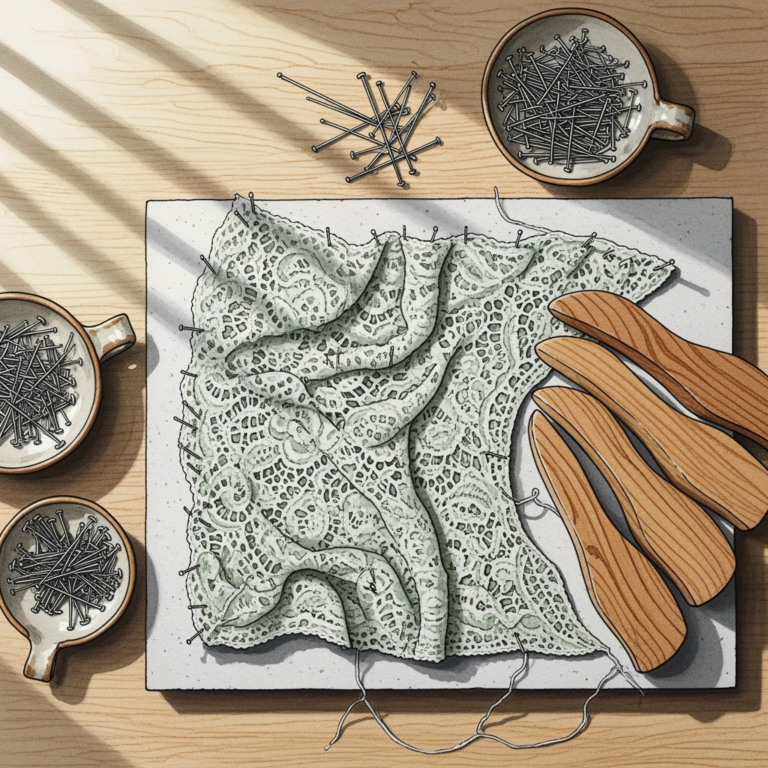
Perfect pleats are achieved by training the fiber rather than forcing it. Start by pinning the garment down to a blocking board to ensure the pleats are perfectly aligned before applying any steam.
Apply steam in short bursts, moving the attachment in the direction of the pleat fold. Follow each pass with a light press using a wooden clapper or your hand to set the shape as the steam cools.
Patience is the defining factor; the steam relaxes the fiber, but the cooling phase is what locks the new shape into place.
Can You Steam Pleats on Delicate Silk or Wool?
Yes, steaming pleats on silk and wool is not only possible but recommended, provided you use the correct temperature and moisture levels. Wool, in particular, responds beautifully to steam as it is a natural fiber with high thermal resilience.
Silk requires a bit more care, typically involving a lower steam setting and the use of a protective barrier like a muslin cloth or a specialized bonnet. Avoid over-saturating the fabric, as excess water can cause permanent water spots on certain silks.
Always keep the steamer moving; localized heat on a single spot is the most common cause of fiber damage.
Creaser vs. Fabric Guard: Which Do You Really Need?
The choice between a creaser and a fabric guard depends entirely on the outcome you desire for your project. A creaser is a tool of aggressive shaping, meant to create sharp, defined lines that look like they belong on a high-fashion garment.
A fabric guard is a tool of preservation, meant to soften and relax fibers without altering their inherent texture. If you are creating tailored garments with heavy structure, you need a creaser. If you are finishing lightweight, delicate pieces, the fabric guard is your essential companion.
Most serious knitters will eventually find a need for both in their kit, but start with the one that matches the majority of your project types.
Investing in the right steamer attachment elevates the professional quality of your hand-knitted and crocheted garments. By matching the tool to the specific needs of your yarn, you can ensure that your hard work results in a polished, enduring finish that stands the test of time. Whether you choose the precision of a creaser or the safety of a bonnet, the key lies in understanding your fiber’s limits and respecting the blocking process. With these tools in hand, the gap between a “homemade” piece and a “custom-tailored” garment effectively disappears.