7 Best Linen Spray Scents For Relaxation To Try
Transform your bedroom into a peaceful sanctuary with these 7 best linen spray scents for relaxation. Discover your new favorite calming aroma and shop now.
After a marathon knitting session, the last thing any maker wants is for their favorite woolens to hold onto the lingering scent of kitchen odors or stale project bags. A high-quality linen spray acts as the final finishing touch for finished handknits, providing a sensory boost that makes the transition from needles to storage a delight. These mists do more than just mask scents; they introduce a calming atmosphere that elevates the entire crafting space. Selecting the right spray involves balancing aromatherapy benefits with the specific needs of delicate natural fibers.
The Laundress Lavender Spray: Best Classic Scent


This spray defines the gold standard for those who equate relaxation with traditional herbal notes. It relies on a concentrated lavender essential oil that lingers without feeling aggressive or synthetic.
For a heavy wool sweater stored away for the summer, a light spritz helps maintain that “freshly laundered” feeling. It is particularly effective for neutralizing the slightly musty smell that sometimes accompanies dense, high-lanolin wools.
Be aware that scent intensity is subjective. Start with a fine mist from a distance to ensure the saturation does not become too heavy for porous fibers.
Mrs. Meyer’s Lavender Spray: Budget-Friendly Pick
Accessibility meets effectiveness with this staple, which is often found in local home goods aisles. It offers a straightforward lavender profile that works well for daily maintenance of project baskets or blocking mats.
Because it is cost-effective, it serves as an excellent “everyday” refresher. If you tend to keep multiple works-in-progress (WIPs) active, this allows for frequent use without the hesitation associated with premium price points.
Avoid applying this directly onto light-colored, high-twist luxury yarns. While the formula is generally safe, consistent use on delicate fibers can sometimes lead to minor residue buildup if over-sprayed.
Thymes Eucalyptus Linen Spray: A Spa-Like Retreat
Eucalyptus offers a sharper, more invigorating profile that cleanses the olfactory palate. This is the ideal choice for a knitting nook that needs to feel like a crisp, organized sanctuary rather than a cluttered storage room.
The scent profile leans toward woody and herbaceous, which pairs beautifully with rustic, earthy wools like Shetland or Highland varieties. It cuts through the dust that naturally settles on long-term storage bins.
Use this when you need a mental reset during a particularly grueling cable project. The cooling properties of the eucalyptus scent can help mitigate the feeling of frustration when tackling complex, repetitive patterns.
Caldrea Lavender Cedar Leaf: Earthy & Grounding
If purely floral scents feel too cloying, this blend introduces a necessary structural depth. The cedar leaf provides a grounding, resinous quality that appeals to those who appreciate the raw, natural essence of fiber arts.
This pairing is exceptionally well-suited for winter-weight garments made of alpaca or mohair. The complexity of the scent mirrors the natural, slightly woody characteristics of these animal fibers, creating a cohesive sensory experience.
Because this spray has a bit more “weight” in its scent profile, use it sparingly on finished shawls that will be worn close to the neck. A little goes a long way toward creating a sophisticated, subtle aura.
Grown Alchemist Rose Geranium: A Gentle Floral
Rose geranium is often overlooked, yet it provides a sophisticated, green-floral scent that is never overly sweet or “soapy.” It offers a softer approach to fabric refreshment, perfect for delicate items like silk-blend lace shawls.
This spray behaves well with fibers that have a high sheen, such as bamboo or silk. It imparts a delicate fragrance that mimics the light, ethereal quality of the finished fabric itself.
Note that because the scent is more nuanced, it may fade faster than heavier, essential-oil-based sprays. Treat this as a final flourish for a completed project rather than a heavy-duty deodorizer for long-term storage.
Public Goods Eucalyptus Spray: Refreshing Calm
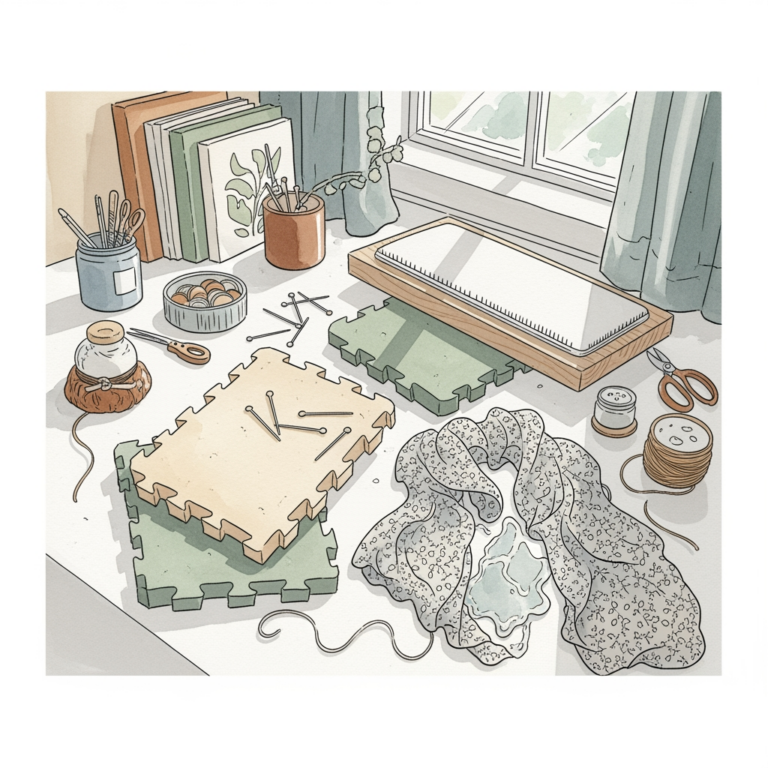
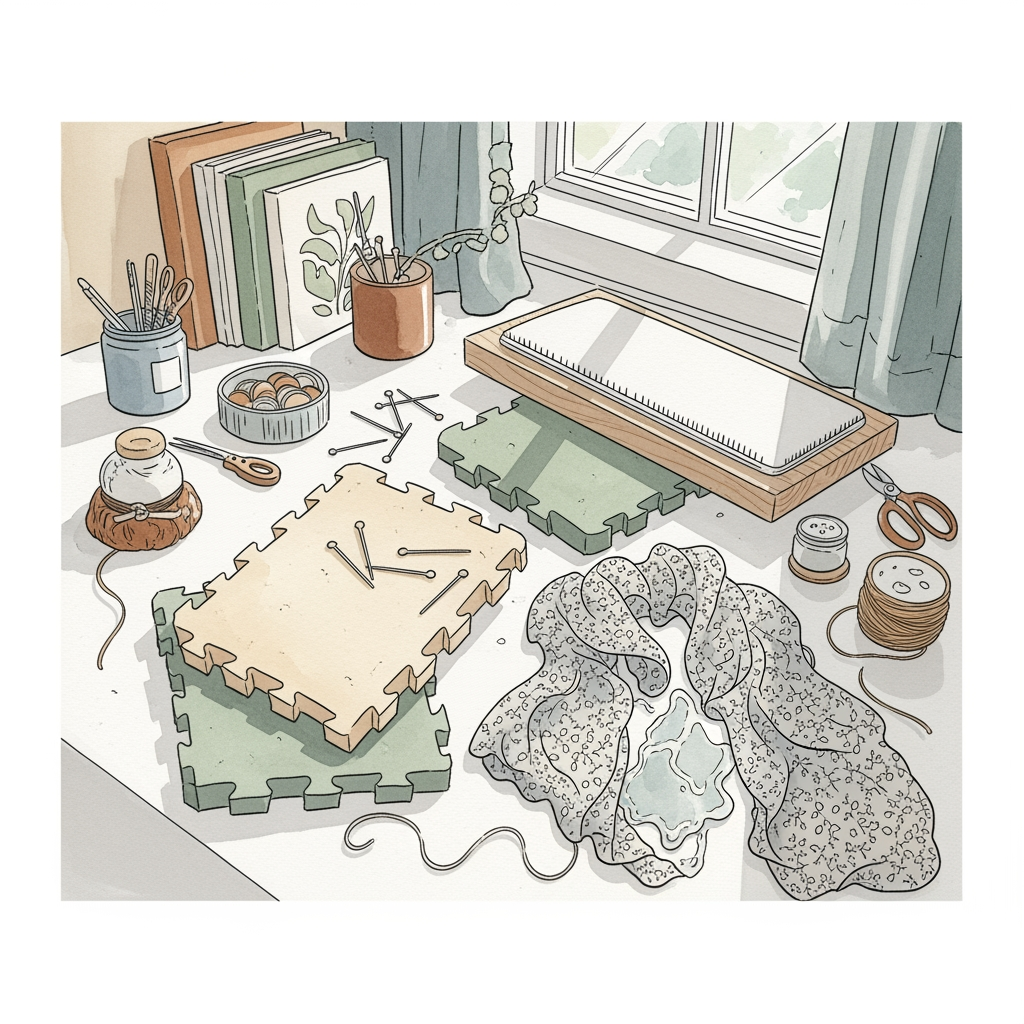
Minimalist in both ingredients and scent, this spray appeals to the maker who dislikes complex perfume layers. It is sharp, clean, and evaporates quickly, making it a reliable tool for freshening up damp blocking mats between uses.
If you are sensitive to heavy synthetic fragrances, this represents a significant upgrade. It provides a crisp, neutral finish that respects the natural scent of the wool rather than attempting to overpower it.
Use this spray in a well-ventilated room to allow the mist to settle evenly. It is particularly helpful for removing the lingering scent of wet sheep that can occur when blocking raw, unprocessed yarns.
Le Labo Santal 26 Linen Spray: A Luxe Splurge
Santal 26 is a complex, leathery, and smoky profile that transforms a knitting space into a high-end atelier. This is not for every day; it is for the special project you have spent months completing.
Apply this to a finished, heirloom-quality sweater to make the unboxing experience feel like a special event. The longevity of this scent is superior, often lasting on the fabric for weeks if stored in a breathable garment bag.
Be cautious with saturation, as the high concentration of fragrance oils can be intense. Always test on an inconspicuous swatch of your yarn before misting the entire garment to ensure no color transfer or spotting occurs.
How to Use Linen Spray on Handknits Safely
The primary rule when applying any spray to handknits is to maintain distance. Hold the bottle at least 12 to 18 inches away from the garment to create a fine, uniform mist rather than wet droplets.
Never spray a garment while it is still on the blocking pins. Moisture concentration can lead to uneven stretching or, in extreme cases, the transfer of chemical additives directly into the damp, receptive fiber.
If working with delicate, hand-dyed yarns, be particularly careful. The dyes used in small-batch yarns are sometimes less stable; testing for colorfastness on an inconspicuous area is a mandatory step before any full-scale application.
What to Look for in a Linen Spray’s Ingredients
A high-quality linen spray should prioritize essential oils over synthetic fragrance compounds. Look for alcohol-free or low-alcohol formulas, as high alcohol content can be drying to natural protein fibers like wool and silk.
Avoid sprays that contain heavy dyes or artificial colorants, as these can easily stain light-colored fibers. Prioritize transparency; brands that list their full ingredient profile allow makers to avoid potential allergens that could irritate the skin during wear.
If a spray contains added softeners, scrutinize the label closely. While softeners can feel luxurious, they often leave a chemical residue that attracts dust or alters the natural drape and “hand” of your meticulously knitted fabric.
How to Make Your Own Relaxing Linen Spray at Home
Creating a bespoke spray is a rewarding way to control exactly what touches your fiber. Combine 2 ounces of distilled water, 1 tablespoon of witch hazel (which acts as an emulsifier), and 10 to 15 drops of your preferred high-grade essential oil in a glass spray bottle.
Witch hazel is preferred over rubbing alcohol because it is gentler on the delicate scales of wool fibers. Distilled water is non-negotiable to prevent mineral deposits or impurities from staining your knits.
Shake the mixture vigorously before each use to ensure the essential oils are properly distributed. Store your custom blend in an amber or cobalt glass bottle to protect the integrity of the oils from light degradation, keeping your artisanal spray potent for months.
A thoughtful spritz of a quality linen spray is the perfect way to honor the time and effort invested in every stitch. By choosing scents that complement the character of your yarn and applying them with care, you enhance the longevity and enjoyment of your handmade wardrobe.