6 Best Loom Yarn Bobbins For Intarsia Projects
Master intarsia with these 6 top-rated loom yarn bobbins. We compare durability, weight, and ease of use to help you keep complex colorwork organized and tidy.
Intarsia knitting is an art form that transforms simple yarn into intricate, painterly designs, but it quickly becomes a tangled nightmare without the right organization. Using the wrong tools can turn a joyful colorwork session into a frustrating exercise in untangling knots. After two decades at the needles, I have learned that the right bobbin is the difference between a meditative project and a discarded WIP. This guide breaks down the best tools to keep your colors distinct and your sanity intact.
Clover Yarn Bobbins: Best Overall for Intarsia


Clover bobbins are the gold standard for a reason, primarily due to their intuitive locking mechanism. They feature a soft, flexible plastic that snaps shut securely, preventing your yarn from unraveling when the bobbin is hanging from your work.
These are particularly excellent for beginners because they are lightweight and won’t distort your gauge. If you are working on a complex intarsia sweater, the ease of opening and closing these bobbins saves significant time during color transitions.
The trade-off is that they can be slightly fiddly if you have limited dexterity or very thick, bulky yarn. However, for standard worsted or fingering weight projects, they remain the most reliable choice in my kit.
Susan Bates Plastic Bobbins: Best Value Pick
When you are tackling a large-scale intarsia wall hanging or a blanket with dozens of color blocks, buying high-end tools for every section becomes expensive. Susan Bates plastic bobbins are simple, affordable, and get the job done without any unnecessary bells or whistles.
These are essentially flat, notched plastic cards that allow you to wind yarn around the center. They are incredibly durable and nearly impossible to break, making them a staple for knitters who prefer a "set it and forget it" approach.
Because they lack a locking lid, they are best suited for projects where you don’t need to move the bobbins frequently. If you are a high-volume knitter, keeping a bulk pack of these on hand is a smart, budget-friendly strategy.
Lacis Weighted Yarn Bobbins: Best for Tension

Tension is the most common struggle in intarsia, especially at the point where two colors meet. Lacis weighted bobbins provide a subtle, consistent drag that helps keep your stitches uniform and prevents the "gapping" that often occurs between color blocks.
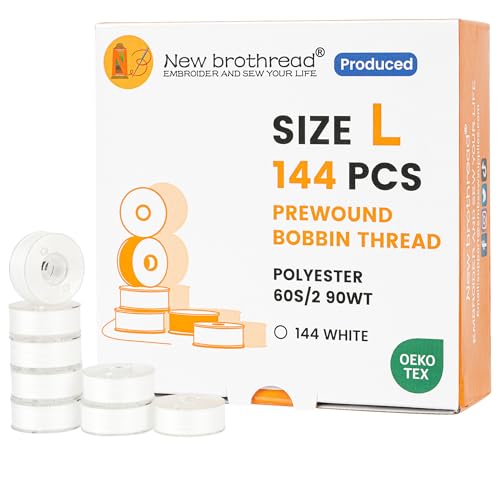
These are heavier than standard plastic options, which acts as a natural anchor for your yarn. If you find your intarsia edges look a bit loose or uneven, the added weight of these bobbins can help pull those stitches into place.
Be cautious, however, if you are working with delicate fibers like lace-weight mohair. The weight can sometimes be too much for fragile yarns, potentially stretching your work if you aren’t careful about how much yarn you keep unwound.
Boye Plastic Yarn Bobbins: Best Simple Design

The Boye design is a classic "clamshell" style that has been around for generations. They are incredibly easy to use: simply wind your yarn and snap the lid shut to keep the tension consistent.
They are perfect for knitters who want a tool that doesn’t require a steep learning curve. The plastic is smooth, ensuring that your yarn—even snag-prone wool—glides off without catching or pilling.
They are not as secure as some newer locking mechanisms, so they are best for projects where the bobbins will remain relatively stationary. If you are a "travel knitter," you might find these occasionally pop open in your project bag.
KnitPicks Yarn Bobbins: Best for Large Projects

KnitPicks bobbins are designed for the knitter who values capacity and ease of use. They are slightly larger than most, which is a major advantage when you are working with long color runs and don’t want to rewind your yarn every few rows.
The design is streamlined and prevents the yarn from tangling as it feeds off the bobbin. This is a game-changer for intarsia patterns that feature large blocks of color, as it reduces the frequency of stopping to manage your supplies.
Because of their size, they can be a bit bulky if your project has very small, intricate color changes. They are best reserved for patterns with bold, graphic shapes rather than tiny, pixel-like details.
Prym Ergonomic Bobbins: Best Lightweight Option

If you suffer from hand fatigue during long knitting sessions, the Prym ergonomic bobbins are a fantastic solution. They are designed to be extremely lightweight, reducing the physical strain of having multiple bobbins hanging from your needles.
The ergonomic shape makes them easy to grip and manipulate, which is helpful when you are weaving in ends or managing multiple color changes in a single row. The material is smooth and snag-free, protecting the integrity of your yarn.
These are slightly more expensive than basic plastic options, but the comfort factor is worth the investment for larger projects. If you are prone to wrist or finger pain, prioritize these in your toolkit.
Essential Features to Look for in Yarn Bobbins
When selecting bobbins, prioritize security, weight, and material smoothness. A good bobbin should hold enough yarn for your project without being so heavy that it distorts your fabric.
- Locking Mechanism: Essential for preventing accidental unwinding.
- Material: Smooth plastic or polished wood prevents fiber snagging.
- Weight: Consider if you need extra tension or a lightweight option.
- Capacity: Ensure the bobbin can hold enough yardage for your specific pattern.
Always check the edges of plastic bobbins for any "flashing" or rough seams from the manufacturing process. A quick pass with a fine-grit nail file can save your delicate yarn from snagging later.
How to Properly Wind Yarn onto Intarsia Bobbins
Winding your yarn correctly is the secret to a stress-free intarsia project. Do not wind the yarn too tightly, as this can stretch the fibers and result in uneven tension once the yarn is worked into the fabric.
Instead, wind the yarn with a consistent, gentle tension, similar to how you would wind a ball of yarn by hand. Ensure that the yarn is laid flat across the bobbin rather than crossing over itself, which prevents tangling during the knitting process.
For long-term storage, avoid leaving yarn wound on bobbins for months, as this can lead to "set" kinks in the yarn. Only wind what you need for the current project phase.
Managing Yarn Tangling During Colorwork Knits
Tangles are the arch-nemesis of the intarsia knitter, but they are manageable with the right habits. The most important rule is to always turn your work in the same direction at the end of every row.
If you turn your work clockwise one time and counter-clockwise the next, your yarn strands will twist around each other, eventually creating a knotted mess. Maintaining a consistent rotation keeps the strands parallel and free.
If you do end up with a tangle, don’t panic. Gently lay your work flat and use your fingers to untwist the bobbins; avoid pulling or yanking, as this will only tighten the knots and risk damaging your yarn.
Frequently Asked Questions About Intarsia Tools
Do I need a bobbin for every color change? Yes, for true intarsia, each distinct color block requires its own bobbin to prevent the yarn from carrying across the back of the work.
Can I use clothespins instead of bobbins? You can, but be careful—the spring mechanism can snag delicate fibers and the weight may be inconsistent. Stick to dedicated knitting tools if you are using expensive, high-quality wool.
How do I store my intarsia bobbins? Keep them in a flat container with dividers, or clip them onto a piece of foam board to keep them organized and tangle-free between knitting sessions.
Intarsia is a rewarding technique that opens up endless creative possibilities for your hand-knits. By choosing the right bobbins and establishing a consistent workflow, you can focus on the beauty of your design rather than the mechanics of your yarn. Start with these recommendations, keep your tension even, and enjoy the process of watching your pattern emerge. Happy knitting!