7 Best Point Pressers For Finishing Seams To Own
Achieve professional results with these 7 essential point pressers. Master crisp seams and sharp corners in your sewing projects with our top-rated picks.
Achieving a professional finish on your hand-knits often comes down to the final press rather than the stitches themselves. While many knitters focus exclusively on needles and yarn, the secret to a crisp sweater seam lies in the tools used to set the fabric. A point presser is the unsung hero that transforms a "homemade" garment into a bespoke piece of knitwear. Here are the seven best tools to elevate your finishing work.
Dritz Tailor’s Point Presser: The Gold Standard


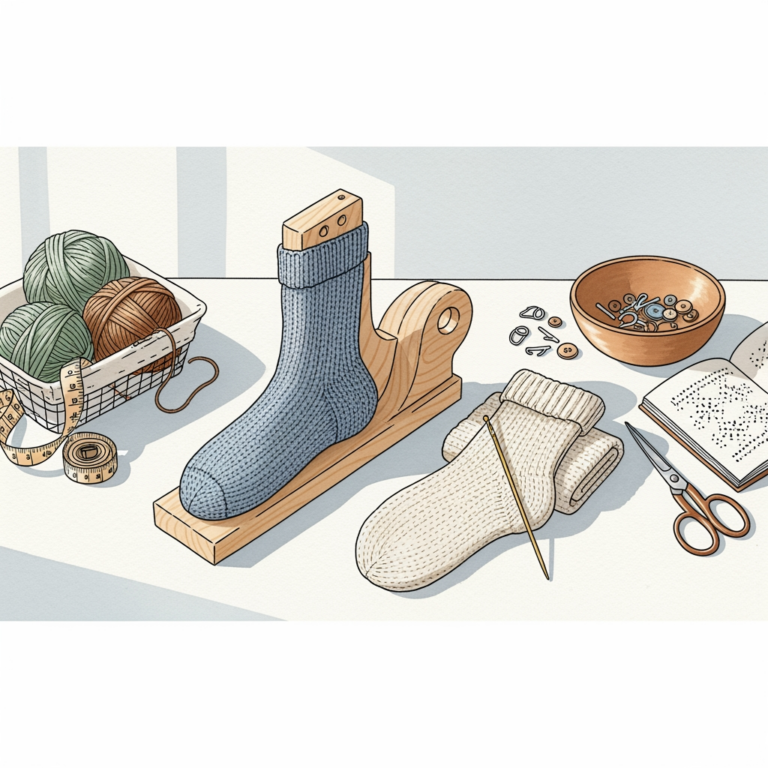
The Dritz Tailor’s Point Presser is a fixture in sewing rooms for a reason, and it translates beautifully to the knitting studio. Its sturdy, hardwood construction provides the necessary resistance to force steam through dense wool seams.
When you are finishing a set-in sleeve or a sharp collar, you need a tool that doesn’t buckle under pressure. This presser offers a narrow, tapered end that allows you to slip your garment over it, isolating the seam allowance without creasing the surrounding fabric.
It is a substantial piece of equipment that takes up a bit of space on your shelf. However, for the knitter who frequently works with structured fibers like worsted-weight wool or cotton blends, the stability is unmatched.
Collins Wood Point Presser: Best Budget Choice
If you are just beginning to experiment with blocking and pressing, the Collins Wood Point Presser offers excellent utility without the premium price tag. It provides the essential shape needed to reach into tight corners, such as the gusset of a sock or the neckline of a cardigan.
The wood is generally smooth and well-finished, ensuring it won’t snag delicate mohair or high-twist merino fibers. While it may be slightly lighter than professional-grade models, it is perfectly adequate for the occasional finisher.
The trade-off here is longevity and weight. If you find yourself pressing heavy, multi-ply wool garments every weekend, you might eventually want something heavier, but for most, this is a perfect entry point.
Clover Tailor’s Clapper and Point Presser Combo

Clover is synonymous with thoughtful design, and this combination tool is a space-saver for the knitter with a small workspace. It integrates the pointed surface for seams with a flat "clapper" surface for setting pleats or smoothing out bulky ribbing.
The clapper function is particularly useful for knitters working with superwash wool, which can sometimes be "springy" and resistant to staying flat. By pressing your seam and then immediately holding the clapper down, you trap the steam and set the fibers in place.
This tool is ideal for the knitter who wants to streamline their kit. It is a versatile, two-in-one solution that addresses the most common frustration: seams that refuse to lay flat after blocking.
June Tailor Pressing Ham and Point Presser Set

A pressing ham is a rounded, stuffed cushion that mimics the curves of the human body, making it essential for shaping shoulders and bust darts in knitwear. Pairing it with a point presser gives you a comprehensive pressing station.
When you are blocking a sweater that requires subtle shaping, the ham allows you to steam the fabric while maintaining its three-dimensional form. You aren’t just flattening the garment; you are molding it.
This set is an investment in your garment’s fit. It is particularly useful for advanced knitters who are moving from simple rectangles to complex, fitted patterns that require precise blocking to look intentional.
Reliable Tailor’s Point Presser and Clapper
The Reliable brand lives up to its name by providing a heavy-duty, professional-grade tool that feels like it will last a lifetime. It is designed to handle the high heat and heavy steam output of professional irons without warping.
For the knitter who works with high-density fibers like alpaca or thick, tightly-spun yarns, this tool provides the necessary heft to "crush" the seam allowance flat. It ensures that your seams are as thin as the rest of the fabric, preventing that tell-tale "bump" at the shoulder.
It is definitely on the heavier side, which makes it less portable. If you have a dedicated knitting nook, this is the tool you want anchored to your ironing board.
Gingher Point Presser for Precision Seam Work
Gingher is legendary for their cutting tools, and their point presser reflects that same commitment to precision. This tool is designed with a very fine, sharp point, making it perfect for intricate work like collar points or small-scale baby garments.
If you are a knitter who enjoys small-gauge work—like lace shawls or fine-gauge socks—you know that bulky seams can ruin the drape of the fabric. The Gingher presser allows you to target the absolute edge of your work.
It is a specialized tool. You wouldn’t use it to press a heavy fisherman’s sweater, but for delicate lace or fine-weight garments, it is surgical in its precision.
Rowenta Professional Grade Point Presser Tool

Rowenta is a giant in the world of steam, and their pressing tools are engineered for maximum steam penetration. This presser features channels or specific densities that allow steam to pass through the wood rather than just sitting on the surface.
This is critical for knitters because steam is the primary way we "relax" fibers. If the steam can’t escape through the back of the seam, the fibers won’t set properly, leading to seams that curl or twist over time.
This tool is a bit of a splurge, but it pays for itself in the time it saves. You will find yourself needing fewer passes with the iron to achieve a crisp, professional result.
Why Every Knitter Needs a Dedicated Point Presser
Many knitters believe that a flat ironing board is sufficient for finishing, but this is a common misconception. A flat surface forces you to press the entire garment, often flattening the beautiful texture of your stitch pattern along with the seam.
A point presser allows you to isolate the seam allowance. By placing the seam over the narrow point, you can apply heat and pressure exclusively to the area that needs it, leaving the rest of your work—like cables or lace—puffy and vibrant.
Without a point presser, you are often choosing between a flat, lifeless garment and a bulky, unfinished seam. This tool gives you the best of both worlds.
How to Properly Press Knitted Seams and Edges
To press effectively, always start by pinning your seam allowance open on the point presser. Use a pressing cloth if you are working with delicate fibers like silk, mohair, or angora to prevent scorching or matting.
- Steam: Apply steam, but don’t let the iron dwell too long.
- Pressure: Use the clapper or the weight of the presser to hold the seam flat as it cools.
- Cooling: Never move the garment until the steam has dissipated and the fibers have cooled.
The cooling phase is actually more important than the pressing phase. As the yarn cools, it "remembers" the shape you have forced it into, effectively setting the seam permanently.
Essential Tips for Safe Pressing of Fine Fibers
When working with fine fibers, the golden rule is "less is more." Synthetic fibers like acrylic can melt under high heat, while natural fibers like wool can become "dead" or matted if over-steamed.
Always test on a swatch first, especially if you have used a high-twist or novelty yarn. If you are unsure, use a lower steam setting and rely on the pressure of the tool rather than the heat of the iron to do the work.
- Avoid over-pressing: You want to set the seam, not iron the life out of the yarn.
- Use a press cloth: A simple cotton scrap prevents iron shine on dark colors.
- Check your fiber content: Superwash wool reacts differently to heat than untreated wool.
Investing in a point presser is one of the most impactful upgrades you can make to your finishing routine. It bridges the gap between a project that looks "handmade" and one that looks truly professional. Choose the tool that best fits your project scale and fiber preferences, and you will see your knitting reach a new level of polish. Remember, the final press is where your hard work finally comes to life.