6 Best Weaving Shuttles For Beginners To Try
Finding the right shuttle is key for new weavers. We explore six beginner-friendly options to help you improve your efficiency and master your craft easily.
Starting your weaving journey is much like picking up your first pair of needles; the right tools turn a struggle into a rhythmic, meditative experience. While the loom gets all the glory, the shuttle is the true extension of your hand as you pass yarn through the warp. Choosing the right one depends on your loom type, your project goals, and how you prefer to manage tension. Here are the best shuttles to help you find your flow and create beautiful, professional-looking textiles.
Schacht Cricket Pickup Stick: Best for Beginners
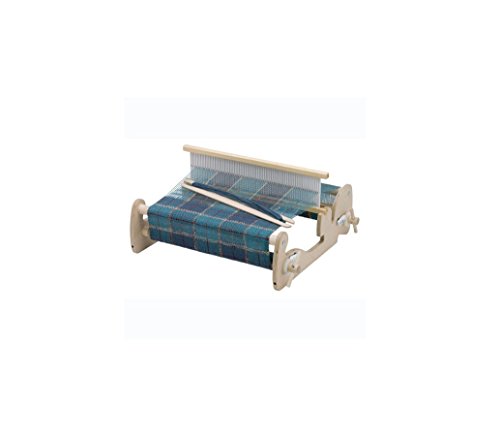

When you are first learning to weave, the sheer number of tools can feel overwhelming. The Schacht Cricket Pickup Stick is a masterclass in simplicity, acting as both a shed-maker and a shuttle for those early practice swatches.

Its flat, tapered design allows you to easily manipulate warp threads without snagging, which is a common frustration for beginners. Because it isn’t a traditional "boat" shuttle, you don’t have to worry about bobbins or tensioning systems yet.
Think of this like using a circular needle for a flat project; it’s versatile, forgiving, and helps you learn the mechanics of the shed before moving to more complex equipment. It is the perfect tool for building confidence.
Ashford Rigid Heddle Shuttle: Best for Comfort
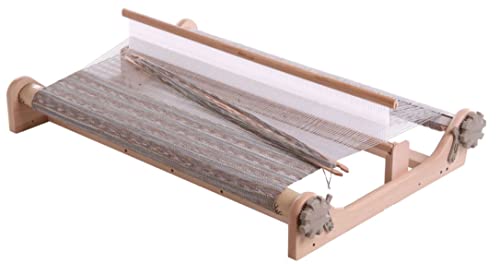
If you have ever spent an entire afternoon knitting a sweater only to find your hands cramping, you know that ergonomics are non-negotiable. The Ashford Rigid Heddle Shuttle is designed with a smooth, ergonomic profile that sits comfortably in the palm of your hand.
The wood is polished to a high sheen, ensuring that it glides through the warp without catching on even the most delicate, fuzzy mohair or sticky wool blends. This reduction in friction means you can weave for hours without the physical fatigue that often plagues beginners.
It is a fantastic step up from a basic flat stick. While it lacks the speed of a boat shuttle, the tactile pleasure of using it makes the weaving process feel much more intentional and relaxed.
Leclerc Boat Shuttle: Best for Smooth Weaving
Boat shuttles are the "pro" level of weaving tools, and the Leclerc version is a reliable workhorse for those ready to speed up their production. Unlike stick shuttles, these hold a bobbin, allowing for a continuous, smooth flow of yarn.

The weight of the wood provides just enough momentum to slide through the shed with a satisfying "thwack." This is ideal when you are working on larger projects like table runners or scarves where you want to maintain a consistent beat and rhythm.
Be aware that learning to wind a bobbin correctly is a skill in itself. If the yarn isn’t wound evenly, the shuttle will jerk and potentially break your warp threads, much like a tangled ball of yarn ruins your knitting flow.
Kromski Stick Shuttle: Best Budget Friendly Pick
Weaving can be an expensive hobby, and it is easy to overspend on accessories before you even know if you enjoy the craft. The Kromski Stick Shuttle is an affordable, well-made entry point that proves you don’t need to break the bank to get quality.
These are lightweight and incredibly durable, made from high-quality wood that resists splintering. Because they are so slim, they are excellent for weaving with finer yarns that might get lost in a bulkier shuttle.
If you are a knitter who enjoys weaving small decorative bands or testing out different fiber types, this is a low-risk investment. It’s the "dpn" of the weaving world—simple, effective, and always useful to have in your kit.
Glimakra Flat Shuttle: Best for Simple Projects
Sometimes, the simplest tool is the best tool, especially when you are working on small-scale projects like coasters or samplers. The Glimakra Flat Shuttle is essentially a glorified, high-quality stick, perfect for those who prefer manual control over their yarn tension.
Because it has no moving parts, there is nothing to break or jam. It is an excellent choice for beginners who want to focus entirely on the pattern and the shed without fiddling with bobbins or tension springs.

It is particularly useful if you are weaving with novelty yarns that might not fit on a standard bobbin. If you can wind it into a butterfly or a small ball, you can weave with it using this shuttle.
Harrisville Designs Stick Shuttle: Best Versatile
Harrisville Designs has a long history of supporting fiber artists, and their stick shuttle reflects a deep understanding of practical weaving needs. It is designed to be sturdy enough to handle heavy rug wools while remaining delicate enough for finer projects.
The length is just right—long enough to clear the width of most beginner looms, but short enough to handle with precision. It acts as a reliable bridge between the basic stick and the more complex boat shuttle.
For the knitter who likes to experiment with different yarn weights, this is your go-to tool. It handles everything from chunky, single-ply wool to delicate, multi-ply cotton with equal grace.
Understanding Shuttle Types for Rigid Heddle Looms
The choice between a stick shuttle and a boat shuttle often comes down to your project’s scale and the speed you want to achieve. Stick shuttles are essentially "yarn holders" that you pass through the shed; they are slow but offer total control.

Boat shuttles use bobbins, which provide a constant, even tension as you weave. This is vital when working with long lengths of yarn, as it prevents the "looping" effect that can happen when tension is uneven.
- Stick Shuttles: Best for beginners, short warps, and experimentation.
- Boat Shuttles: Best for longer projects, consistent speed, and professional finishes.
- Pickup Sticks: Not technically shuttles, but essential for creating patterns and manipulating warp threads manually.
How to Choose the Right Shuttle Size for Your Warp
Your shuttle must be shorter than the width of your loom, but choosing one that is too small will make your work much slower. Aim for a shuttle that is at least 2–3 inches wider than your project width to allow for a comfortable "throw."
If you are weaving with a very wide warp, a boat shuttle’s weight becomes an advantage, as it carries the momentum across the gap. Conversely, if you are working on a narrow band, a small stick shuttle prevents the tool from bumping into the loom frame.
Always consider the weight of the shuttle relative to your yarn. A heavy shuttle might pull on a delicate, hand-spun single-ply yarn, causing it to stretch or break; in that case, choose a lightweight, wooden stick shuttle.
Essential Tips for Maintaining Wooden Weaving Tools
Wooden shuttles are beautiful, but they can dry out or splinter if neglected. Once a month, treat your shuttles with a light application of butcher block oil or a dedicated wood wax to keep the surface slick and snag-free.
Avoid storing your shuttles in direct sunlight or near heat sources, as this can cause the wood to warp or crack. If your shuttle does develop a small nick or rough spot, gently sand it with fine-grit sandpaper (400 grit or higher) to restore the smooth finish.
Think of this like caring for your favorite wooden knitting needles. A well-maintained tool will last a lifetime and actually improve with age as the oils from your hands condition the wood.
Common Weaving Shuttle Mistakes to Avoid Today
The most common mistake is overfilling your bobbin. Just like an overstuffed knitting bag, a bobbin that is too full will rub against the warp threads, causing friction and potentially snapping them.
Another frequent error is failing to "beat" your weft consistently. If you aren’t using the shuttle to help keep your edges (selvedges) straight, you will end up with a wavy, uneven fabric that is difficult to block properly.
Finally, don’t force a shuttle through a shed that isn’t fully open. If you feel resistance, stop and check your heddle; forcing it is the fastest way to break a warp thread and create a headache-inducing repair job.
Mastering the shuttle is the final step in transitioning from a beginner to a confident weaver. Start with a simple stick shuttle to get the feel of the shed, and don’t be afraid to upgrade as your projects grow in complexity. Remember, every snag or broken thread is just a lesson in tension management, much like dropping a stitch in a complex lace pattern. Keep your tools smooth, your tension consistent, and enjoy the rhythm of the loom.