7 Best Tapestry Needles For Fine Lace Worth Owning
Discover the top 7 tapestry needles for fine lace. Our guide evaluates durability and precision, helping you choose the perfect tool for delicate projects.
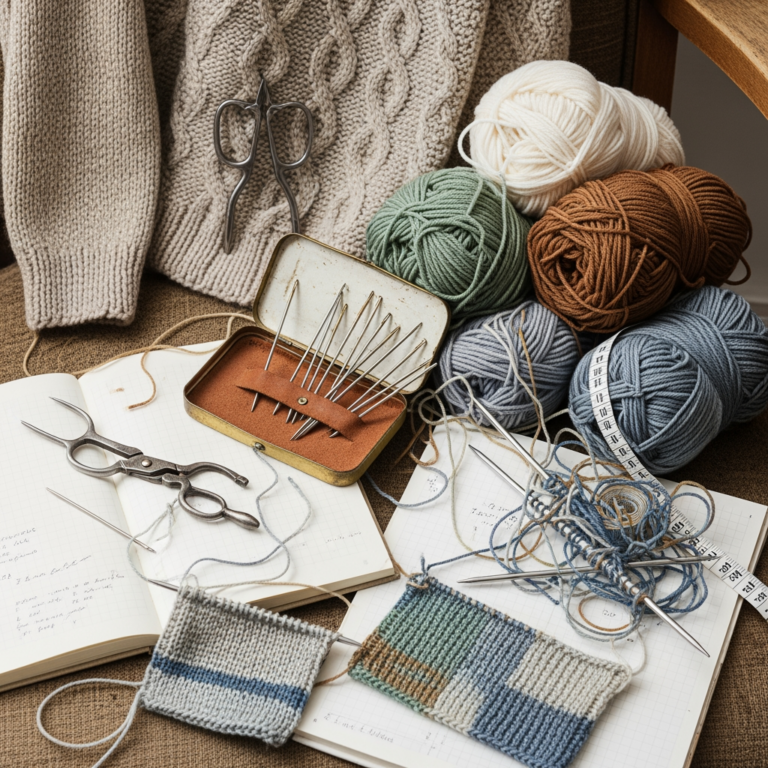
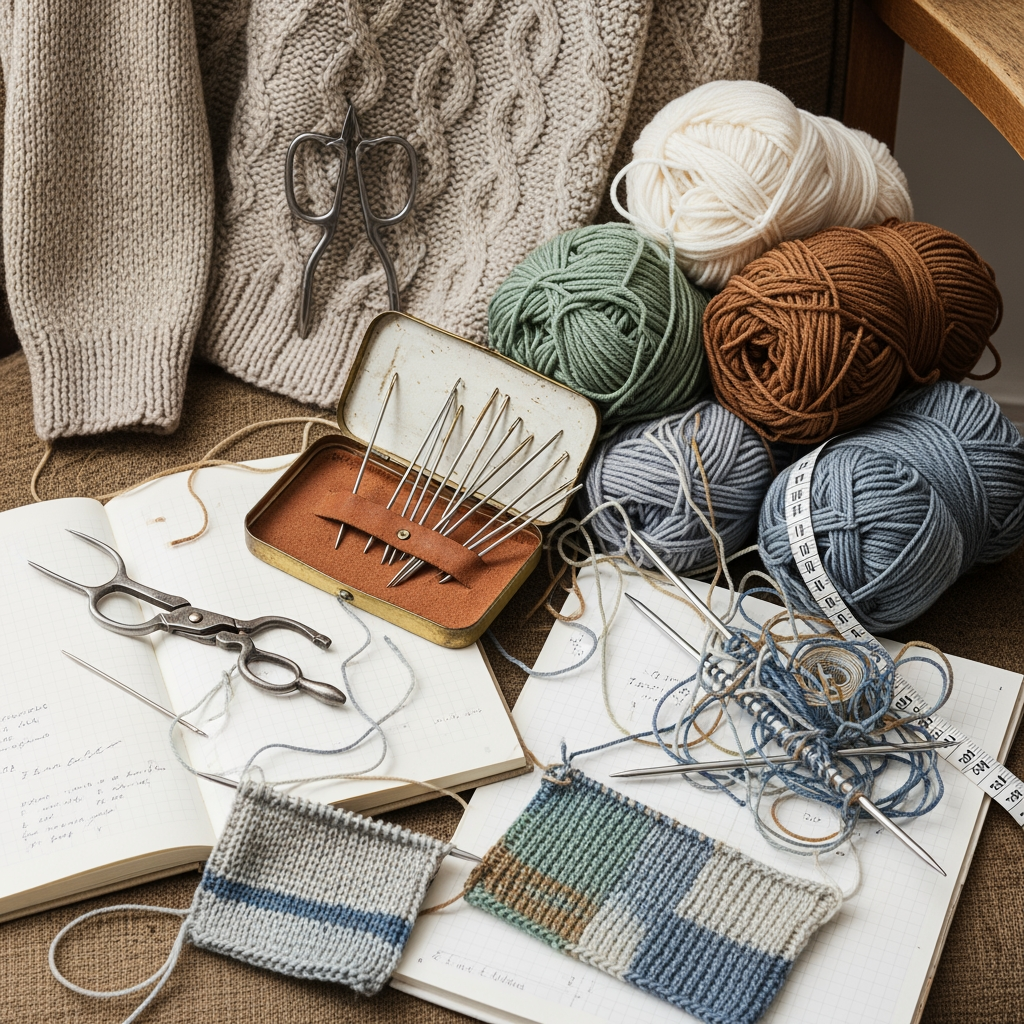
Weaving in ends on a gossamer-weight lace shawl requires a level of precision that standard darning needles simply cannot provide. When your yarn is as fine as a whisper, the wrong tool can split your fibers and ruin hours of careful blocking. The right tapestry needle acts as an extension of your fingers, allowing you to hide tails seamlessly within the delicate structure of your work. Here are seven top-tier options to ensure your finishing work is as professional as your knitting.
Bohin Bent Tip Needles: Best for Fine Lace Work


The bent tip on these needles is an absolute game-changer when you are working on the reverse side of a lace project. It allows you to scoop through the back of stitches without poking through to the public side of the fabric.
This design is particularly useful when you need to weave an end through a tight, intricate cable or a complex lace repeat. By keeping the needle tip angled away from the surface, you avoid the frustration of accidentally splitting a delicate strand of silk or alpaca.
If you struggle with "poking through" your fabric, the Bohin bent tip is your best defense. It turns a tedious finishing task into a controlled, precise maneuver.
Clover Chibi Needles: Best for Lace Portability
Every lace knitter knows the panic of finishing a project on the go and realizing your needle is nowhere to be found. The Clover Chibi set solves this by housing a variety of needle sizes in a secure, travel-friendly tube.

The needles themselves are flexible and have a smooth finish that glides through lace weight yarns without snagging. Because they are slightly softer than rigid steel, they are forgiving if you happen to catch a stray loop.
These are the needles I keep in my dedicated travel project bag at all times. They are reliable, easy to track, and the storage tube ensures you never lose a needle in the depths of your knitting bag.
Tulip Tapestry Needles: The Premium Choice Option
Tulip needles are renowned for their incredible smoothness and high-quality steel construction. When you are working with luxury fibers like cashmere or high-twist lace wool, you want a needle that won’t create friction or pull at the yarn.
The eyes of these needles are polished to a mirror finish, which prevents your yarn from fraying as you pull it through. This is vital when working with single-ply yarns that are prone to snapping under tension.
While they are a higher investment, the longevity of these needles makes them worth every penny. For a project that took you months to knit, don’t settle for a needle that might snag your work on the very last step.
Dritz Yarn Darners: Most Reliable Budget Choice

You don’t always need a boutique tool to get a professional finish, and Dritz Yarn Darners are the proof. These are the workhorses of the knitting world, offering a sturdy, no-nonsense approach to weaving in ends.
They are widely available and come in a variety of sizes, making them perfect for those who switch between fingering weight socks and heavier lace weights. Their durability is unmatched; you can use them for years without the plating wearing off or the eye becoming sharp.
If you are a beginner or someone who tends to lose needles frequently, this is your best option. They provide consistent performance without the premium price tag.
Cocoknits Steel Needles: Best for Delicate Yarn

Cocoknits has mastered the art of the "nylon-coated" feel, and their steel needles are designed specifically for the modern knitter. These are slender, strong, and exceptionally smooth.
They are particularly effective for lace because they are thin enough to navigate through the tightest tension areas without distorting the fabric. When you are working with mohair or delicate blends, the last thing you want is a clunky needle that stretches your stitches out of shape.
These needles are designed to be an extension of your hand. They feel balanced, professional, and are clearly engineered by people who understand the specific needs of fine-gauge knitting.
Singer Assorted Needles: Best Variety Selection

Sometimes you don’t know exactly which gauge needle you need until you have the yarn in your hand. An assorted pack from Singer ensures you are prepared for whatever fiber weight lands on your needles next.
This is a smart choice for the knitter who enjoys variety, from bulky wool cowls to intricate lace doilies. Having a range of eye sizes allows you to choose the needle that provides the least amount of resistance for your specific yarn weight.
Don’t be fooled by the simplicity of the packaging; these are reliable tools that get the job done. Keep a pack in your sewing kit and you will never be caught without the right size for a quick repair or a final weave-in.
John James Tapestry Needles: Best Classic Finish

John James has been manufacturing needles for centuries, and their classic tapestry needles carry that heritage of quality. They have a traditional, comfortable feel that many veteran knitters prefer.
The finish is consistent and the points are blunt enough to slide between stitches without piercing the yarn ply. This is essential for lace, where maintaining the integrity of the stitch pattern is the ultimate goal.
If you appreciate the feel of a traditional steel needle that has been perfected over generations, look no further. They are a staple in my personal collection for a reason.
Why Tip Shape Matters for Delicate Lace Projects
The tip of your needle is the "scout" that navigates through your fabric. A sharp point is great for sewing, but it is the enemy of fine lace.
- Blunt Tips: Ideal for sliding between existing stitches without splitting the fiber.
- Bent Tips: Perfect for maneuvering in tight spaces or working from the back of the fabric.
- Tapered Tips: A middle-ground that offers control but requires more attention to avoid splitting.
When you use a needle with a point that is too sharp, you risk catching a tiny thread of a stitch and pulling it, which creates an unsightly snag. Always opt for a blunt or rounded tip when working with fine lace to ensure the needle glides rather than pierces.
Selecting the Ideal Needle Eye for Fine Fibers
The eye of the needle must be large enough to accommodate your yarn without requiring excessive force to thread it. However, if the eye is too wide, it will stretch your stitches as you pull it through the fabric.
For lace projects, look for an elongated, narrow eye. This allows the yarn to lay flat as it passes through the needle, reducing bulk and preventing the "lumpy" look that often happens when ends are woven in incorrectly.
If you have trouble threading needles, a fine-gauge needle threader is a better solution than choosing a needle with a massive eye. Keep the tool profile as low as possible to protect the tension of your lace.
Maintaining Your Needles for Longevity and Care
A high-quality needle should last a lifetime, but they do require a bit of care. After finishing a project, wipe your needles with a soft cloth to remove any oils from your skin that might attract dust or cause oxidation.
Store them in a dry place, preferably in a case that prevents them from rubbing against each other. If you notice a burr or a rough spot on the eye, it is time to retire that needle, as it will inevitably snag your delicate lace.
Treat your needles with the same respect you give your knitting needles. They are the final gatekeepers of your hard work, and keeping them in top condition is the secret to a professional-looking finish every time.
Choosing the right tapestry needle is not just about convenience; it is about respecting the countless hours you invested in your lace project. By selecting a tool that suits your yarn weight and your personal knitting style, you ensure that your work remains pristine from the moment you bind off. Take the time to experiment with these options, and you will find that the perfect finish is well within your reach. Happy knitting, and may your ends always be perfectly hidden.