7 Best Transfer Tools For Cable Knitting To Try
Master cable knitting with these 7 essential transfer tools. Discover how these accessories simplify complex stitches and improve your project efficiency.
Mastering cables is a rite of passage for every knitter, transforming flat fabric into rich, textured landscapes of twists and braids. Choosing the right tool to hold those suspended stitches can be the difference between a meditative session and a frustrating tangle. Whether you are tackling a simple rope cable or a complex Celtic knot, your choice of transfer tool dictates your speed and stitch security. Here are seven essential tools to elevate your cabling experience and keep your tension consistent.
Clover Takumi Bamboo Cable Stitch Holders
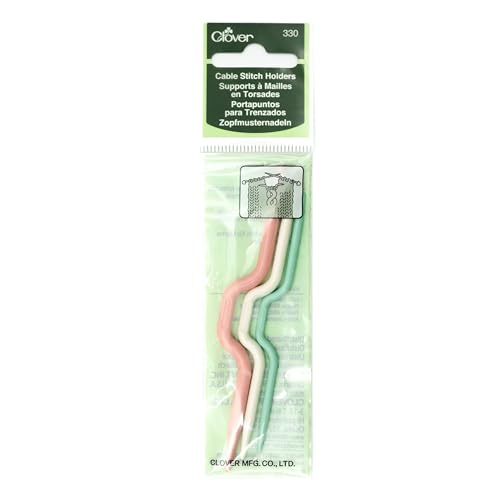

Bamboo is a knitter’s best friend when working with slippery, high-twist yarns like silk or mercerized cotton. The natural texture of the Takumi bamboo provides just enough "grab" to ensure your stitches don’t slide off the holder while they hang in limbo.
These holders often feature a slight curve, which is a brilliant design choice for keeping stitches centered. Because they are lightweight, they won’t pull down on your work and distort your gauge, a common issue with heavier metal holders.
If you find yourself constantly battling stitches that "pop" off your needles, these are an excellent choice. The gentle friction of bamboo is a game-changer for beginners who need extra security while they learn to maneuver the cable cross.
ChiaoGoo Stainless Steel Cable Needles
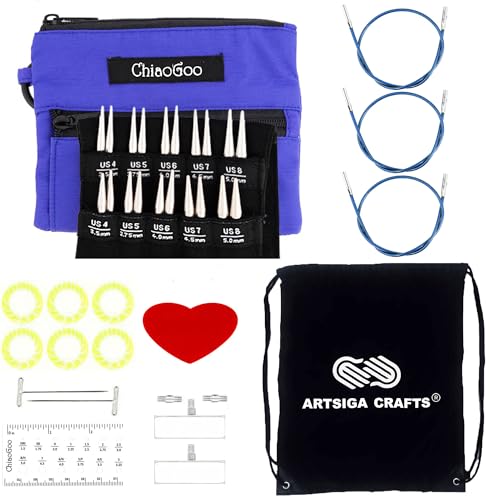
If you are a speed knitter who values efficiency, stainless steel is the gold standard. These needles are incredibly slick, allowing you to slide stitches back onto your main needle with zero resistance.
The stainless steel construction means they are durable and won’t bend or warp over time. However, because they are so smooth, you must be diligent about keeping the stitches pushed toward the center of the needle to prevent them from sliding off.
These are best suited for projects using wool or wool-blend yarns that have a bit of natural "tooth." On very slick fibers, these needles can be slippery, so keep your tension steady and your focus sharp.
Brittany Birch Wood Cable Stitch Needles

Brittany needles are crafted from sustainably harvested birch, offering a smooth finish that feels warm and organic in the hand. They strike a perfect balance between the grippy nature of bamboo and the slickness of polished wood.
The slight taper at the ends makes picking up stitches a breeze, even when your cable cross is tight. They are particularly wonderful for long, intricate cable panels where you want a tool that doesn’t feel cold or clinical.
The main benefit here is comfort. If you have sensitive hands or deal with joint pain, the natural warmth of birch wood is significantly more forgiving during long knitting marathons.
Knitter’s Pride Nova Platina Cable Hooks

These hooks feature a unique shape that allows you to easily pick up stitches and hold them securely without the need for a traditional straight needle. The "hook" design acts as a safety net, preventing stitches from slipping off mid-cross.
The chrome-plated finish provides a high-shine surface that glides through any fiber type. Because they are made of brass and plated with chrome, they are sturdy and rigid, providing excellent support for heavy, cabled sweaters.
These are ideal for complex cables where you might be holding multiple stitches for several rows. The hook design keeps everything organized and prevents the "laddering" that can occur when stitches are held too loosely.
Susan Bates Crystalites Cable Needles

Crystalites are made from lightweight, translucent plastic, making them an affordable and accessible option for any knitter. They are incredibly smooth, which is great for quick transfers, though they lack the grip of bamboo.
Because they are plastic, they are prone to static, especially in dry, winter climates. You might find that synthetic fibers cling to them, which can be both a nuisance and a helpful way to keep your stitches in place.
These are a great "starter" tool to keep in your notions bag for travel. They are inexpensive enough that losing one won’t ruin your day, yet they perform reliably for standard cable work.
Addi Metal Cable Stitch Holders Set

Addi is renowned for engineering, and their metal stitch holders are no exception. They are designed with a secure locking mechanism that ensures your stitches stay exactly where you put them until you are ready to knit them again.
These are perfect for larger cable projects where you might need to set your work down frequently. You can simply slide the stitches onto the holder, lock it, and rest easy knowing your work is safe.
The investment in a high-quality set pays off in the longevity of the tool. If you are a dedicated cable knitter, these will likely be the last holders you ever need to buy.
Boye Aluminum Cable Stitch Needle Set
Aluminum needles are a classic staple in the knitting world for a reason: they are virtually indestructible. The Boye set usually includes a variety of sizes, which is essential if you work with a wide range of yarn weights, from fingering to chunky.
The surface is smooth and cool to the touch, providing a consistent experience regardless of the yarn fiber. They are also very lightweight, ensuring that your hands don’t tire out during complex cable repeats.
If you are looking for versatility on a budget, this is your best bet. They work well with almost any fiber, though they don’t offer the specialized grip of bamboo or the ergonomic warmth of birch.
How to Select the Ideal Cable Needle Size
Choosing the right size is just as important as choosing the material. As a rule of thumb, your cable needle should be the same size or one size smaller than your working needles.
If you choose a needle that is too large, you will stretch out the stitches involved in the cable, leading to unsightly gaps in your finished fabric. If it is too small, you might find it difficult to transition the stitches back onto your main needle without twisting them.
Always consider the weight of your yarn. A bulky yarn will require a larger, sturdier needle, while a delicate lace-weight yarn needs a thinner, more precise tool to prevent distortion.
Essential Tips for Managing Cable Stitches
The secret to clean cables is managing the tension of the stitches held on the needle. When you cross your stitches, try to keep the cable needle parallel to your main needle to minimize the distance the yarn has to travel.
If you find that your cables look "loose," try tugging the first stitch after the cable cross slightly tighter. This simple adjustment helps lock the cross in place and creates a more uniform appearance across the entire panel.
Don’t be afraid to use a smaller needle if you struggle with loose tension. A slightly smaller diameter tool can help keep the stitches snug and prevent the "stretched" look that often plagues new cable knitters.
Troubleshooting Common Cable Knitting Errors
The most common error is accidentally twisting a stitch when transferring it back to the main needle. Always double-check your stitches before knitting them; if the loop looks like a figure-eight, it’s twisted and needs to be corrected.
If you notice a "ladder" or gap between your cable and the surrounding stockinette, you are likely pulling the yarn too far during the transfer. Keep your cable needle as close to the work as possible to reduce tension fluctuations.
If you drop a stitch during a cable cross, don’t panic. Use a crochet hook to pick it up, being careful to maintain the correct orientation of the stitch. With practice, these corrections become second nature, and your cables will look professional every time.
Cable knitting is a rewarding journey that rewards patience and the right choice of tools. By experimenting with different materials like bamboo, steel, and wood, you will eventually find the needle that feels like an extension of your own hands. Remember that your tension and yarn choice are just as critical as the tool itself, so take your time and enjoy the process of building texture. Happy knitting, and may your cables always be perfectly crossed.